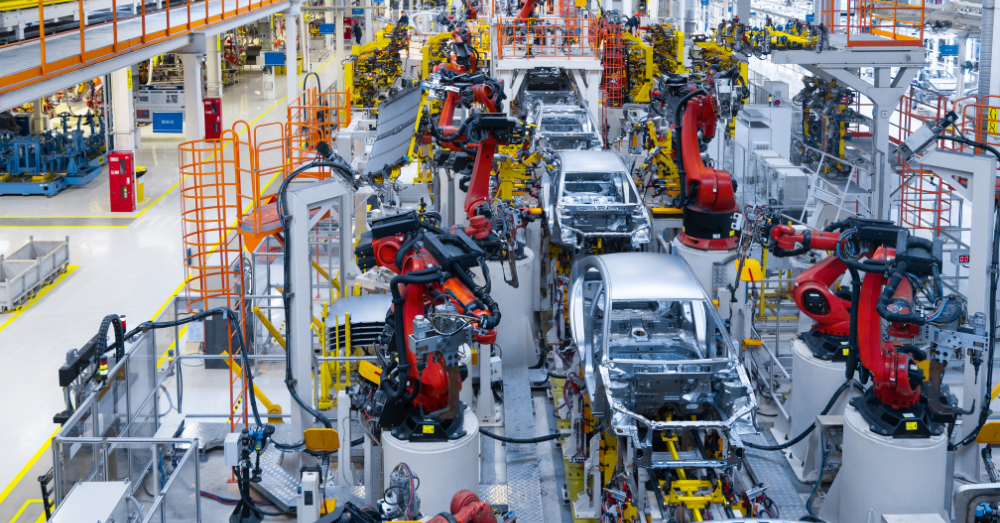
Walk into any modern auto plant and you’ll see robots welding car bodies together with precision that seems almost magical. Sensors catch defects invisible to the naked eye. Assembly lines move faster than ever. Yet despite all this tech, there’s something machines can’t replicate: the skilled hands and trained judgment of an experienced technician. When it comes to automotive care and restoration, the human element isn’t going away.
- While robots handle repetitive factory tasks like welding and painting, humans excel at complex repairs that require adaptation and problem-solving.
- Luxury vehicle repair demands certified technicians who understand brand-specific materials, electronics, and specifications that generic facilities can’t properly address.
- Classic car restoration relies entirely on craftspeople who can hand-form metal panels, match decades-old finishes, and make judgment calls about preserving authenticity versus function.
Where Robots Run the Show
Modern car manufacturing has become a dance between humans and machines. At Volvo’s South Carolina plant, 300 robots outnumber 200 human workers in the body shop area. Those robotic arms work in dimmed lighting because they don’t need to see. Perfect consistency comes naturally to machines spot-welding car bodies together, handling the heat, sparks, and high current that make the job dangerous for people.
Tesla CEO Elon Musk learned this balance the hard way. After pushing heavy automation at the company’s California assembly line, production problems mounted. Musk admitted his mistake, saying “humans are underrated” before giving many tasks back to people. Even Mercedes found that robots couldn’t handle the customization their buyers expected, hiring more humans to replace automated systems.
The pattern is clear: robots crush repetitive, physically demanding work. Welding, painting, lifting heavy parts. Mechanical precision makes these tasks perfect for automation. But when flexibility matters, humans win.
The Work That Still Needs People
Final assembly tells a different story. Workers attach hoods, fenders, bumpers, and interior components here. Honda’s Ohio plant hasn’t changed its level of human involvement in final assembly since opening, according to plant managers. Why? Because people can feel when something’s slightly off. Subtle misalignments get noticed. Adjustments happen naturally when parts don’t fit quite right.
Tom Shoupe, Honda’s Ohio manufacturing chief, put it simply: “We can’t find anything to take the place of the human touch and of human senses like sight, hearing and smell.” These sensory skills catch problems before they become bigger issues.
Collision repair takes this even further. Every damaged car presents a unique puzzle. A technician must assess structural integrity, check for hidden damage to suspension mounts or electronics, and decide whether to repair or replace components. No machine can make these judgment calls.
When Brand Standards Demand Specialized Skills
Luxury vehicles raise the stakes. A Cadillac body shop that earns manufacturer certification invests heavily in specialized training, factory-approved equipment, and genuine parts. Technicians learn brand-specific repair procedures for advanced materials like aluminum and carbon fiber. Calibrating the sensors that power safety systems becomes part of the daily routine.
This matters because shortcuts create real problems. Improper repairs void warranties and compromise safety features. Resale values tank. Generic shops might fix visible damage while missing structural adhesives or electronic systems that luxury cars depend on.
The technicians at certified facilities spend years building their skills. Learning how different metals respond to heat and pressure takes time. Color-matching techniques that can recreate finishes from decades past require practice and a good eye. Aligning body panels within millimeters of factory specifications demands patience most people don’t have.
Restoration as Pure Craft
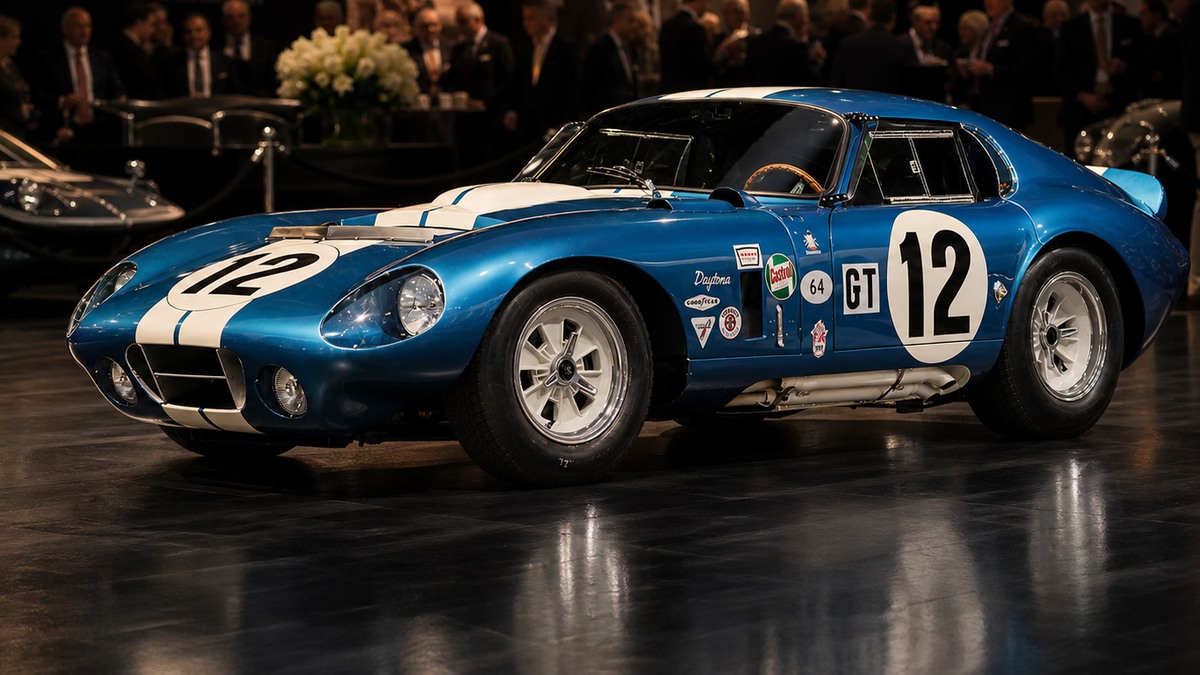
Classic car restoration shows craftsmanship at its purest. These projects demand skills that bridge art and engineering. A restorer might spend hours shaping a single body panel by hand, using hammers and dollies to coax metal into curves that match the original design. Custom paint formulations get mixed to recreate factory colors that no longer exist in standard catalogs.
The work requires constant decision-making. Should you preserve the patina that shows a car’s history? Or chase a mirror finish? Replace worn parts with modern equivalents? Or hunt down period-correct originals? These choices define great restoration work.
Restorers also keep automotive history alive. Each car tells a story about design philosophy, manufacturing techniques, and cultural moments. The work isn’t just mechanical repair. It’s preservation of rolling art.
What Comes Next
Automation will keep advancing. AI-powered systems are getting better at diagnosing problems. Collaborative robots that work safely alongside humans are spreading through factories. But the skills that make someone a great automotive technician aren’t disappearing. Problem-solving abilities matter. Adaptability matters. The ability to see what a finished job should look like and figure out how to get there matters.
The future of automotive work looks like teams where humans and machines each do what they’re best at. Robots will handle the monotonous, dangerous, and repetitive stuff. People will tackle the complex, the customized, and the creative challenges. That’s not automation replacing craftsmanship. It’s technology supporting skilled workers who know their trade.