Treasury Secretary Scott Bessent just announced a tax break that could save car buyers thousands of dollars, but timing matters. With average monthly payments hitting $776 and affordability hitting the wallet harder than ever, this new deduction arrives at a moment when Americans are making tough choices about their next vehicle purchase.
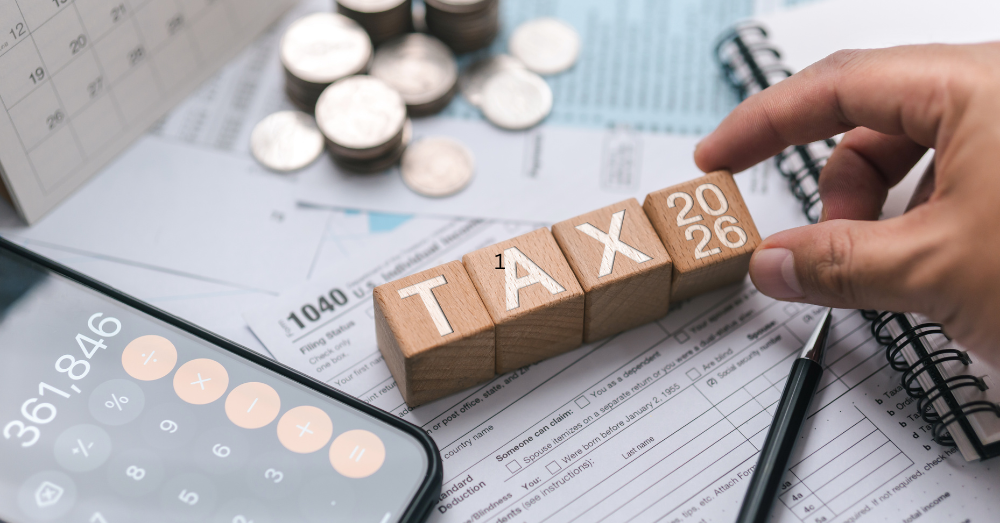
- The Treasury announced a No Tax on American Car Loan Interest rule that offers eligible taxpayers a $10,000 deduction per year in auto loan interest for cars purchased during Trump’s second term.
- Monthly finance payments reached a new record for the month of December at $776.
- A combination of high prices and stubbornly high interest rates on loans has Americans turning to riskier credit agreements to make their new car purchases.
The Affordability Crisis Hits a Breaking Point
On Wednesday, January 7, U.S. Treasury Secretary Scott Bessent addressed a major headwind to the U.S. auto industry with an announcement that could help many buyers. Timing matters here. In 2025, tariffs and the threat of rising prices prompted numerous car buyers to purchase new vehicles, resulting in the strongest market in years. Retail consumers spent $620 billion on new vehicles last year, according to Automotive World, citing J.D. Power data, nearly 6% more than the previous year.
Average new car prices now hover around $50,000, pushing many buyers into payment plans they can barely manage. Some shoppers with less-than-perfect credit find themselves locked into bad credit car loans with interest rates that make ownership even more expensive over time.
Bessent said the Treasury and IRS are issuing clear rules on the tax break “so taxpayers know exactly how the deduction works.” Car shopping has become a financial minefield where every percentage point on your loan rate can mean thousands more over the life of your financing.
What This Tax Break Actually Means
The new deduction lets eligible buyers write off up to $10,000 per year in auto loan interest. If you’re financing a $45,000 vehicle at 7% interest over five years, you’ll pay roughly $8,700 in interest over the life of that loan. This deduction could potentially cover all of that interest in the early years when your interest payments are highest.
Your vehicle needs to be purchased during Trump’s second term to qualify. Anyone who bought their car in 2024 or earlier won’t see this benefit, which might frustrate buyers who made their purchase just months ago.
Why Affordability Became Such a Big Deal
Car manufacturers relied on incentive pricing to help address consumer affordability concerns in 2025. “Automakers are providing healthy incentives to keep sales flowing. Prices are trending higher, but just as we are seeing in the broader retail markets, there’s strong demand and generous incentives out there, and that’s driving the market,” said Cox Automotive Executive Analyst Erin Keating.
Those incentives helped, but they only go so far. As the year progressed and the tariff situation became clearer, incentive spending declined. Average manufacturer’s incentive spend per vehicle in December was $3,433, representing just a $77 increase from the same period a year ago.
On April 3, 2025, Trump imposed a new 25% tariff on all imported cars, including those from Mexico and Canada. This move sent shockwaves through the industry. A report from Anderson Economic Group found that 25% tariffs on goods from Canada and Mexico could drive up car costs by as much as $12,200 for some models.
How Car Prices Got So High
Walk into any dealership today, and you’ll see the impact. The average price of a new car purchase stands at just around $50,000, according to estimates from Edmunds and Kelley Blue Book, up about 4% from a year ago.
Vehicle prices for consumers inched to record highs in 2025 but haven’t spiked as a result of tariffs. Industry experts worry that automakers and dealers will eventually have to cave to cost pressures in the supply chain. The question isn’t if prices will rise further, but when.
Automakers are doing what they can to absorb costs. Ford CEO Jim Farley said the tariffs “would blow a hole in the US industry that we’ve never seen.” General Motors and Ford, which had forecast billions in annual costs, have each reduced those assessments. GM trimmed its $5 billion estimate by $500 million last month. Ford cut its estimated tariff cost for 2025 in half, from $2 billion to $1 billion.
Who Really Benefits From This Deduction
President Donald Trump very recently called the U.S. affordability crisis a hoax. But Bessent’s comments suggest the administration is laser-focused on improving affordability during an election year.
This deduction will help some buyers, especially those in higher tax brackets who itemize their deductions. If you’re in the 24% tax bracket and claim $8,000 in auto loan interest, you could save about $1,920 on your taxes. That’s real money that could cover several months of car payments.
Buyers with lower incomes who take the standard deduction might not benefit as much. The tax break works better if your itemized deductions exceed the standard deduction threshold, which sits at $14,600 for single filers and $29,200 for married couples filing jointly in 2024.
Shopping Smart in a Tough Market
If you’re thinking about buying now to take advantage of this deduction, do your homework first. Shop around for the best financing rates because even with the tax break, a lower interest rate will always save you more money than a higher rate with a deduction.
Consider certified pre-owned vehicles as an alternative. They often come with warranty coverage and lower price tags, which means smaller loans and less interest paid overall. Plus, you might avoid the worst of the tariff-driven price increases that are hitting new vehicles.
Check what incentives automakers are currently offering. While incentive spending has leveled off, deals still exist, especially on vehicles that have been sitting on dealer lots for a while. Combining manufacturer rebates with the new tax deduction could make a bigger dent in your total cost.
Should You Buy Now or Wait
Treasury and IRS still need to finalize the rules for how this deduction works in practice. Will it apply to leases? Can you claim it if you refinance an existing loan? These details matter and will shape who benefits most from this policy.
If you’re in the market for a vehicle right now, this deduction adds a new factor to your decision-making. Run the numbers with your tax situation in mind. A tax professional can help you figure out whether itemizing to claim this deduction makes sense compared to taking the standard deduction.
Don’t let the tax break alone drive your purchase decision. A car that’s too expensive for your budget will still strain your finances even with a tax deduction. Focus first on finding a vehicle you can comfortably afford, then treat any tax benefits as a nice bonus.
Watch for updates from the Treasury Department on the specific rules and requirements. The devil is always in the details with tax policy, and those details will determine who really benefits from this program.