Buying a new Jeep or Ram used to mean visiting a nearby lot. Now a fast-growing online seller is shipping those trucks across the country, and the change is quietly reshaping who sells the vehicle and who ends up servicing it later.
- Carvana-owned Chrysler Dodge Jeep Ram stores are selling far outside their home regions, sometimes hundreds of miles away.
- Those distant sales rarely come with local service, so nearby stores often handle the maintenance and recalls.
- The pattern points to real demand for easier online buying, but also to a gap shoppers should plan around.
How online sales stretch across state lines
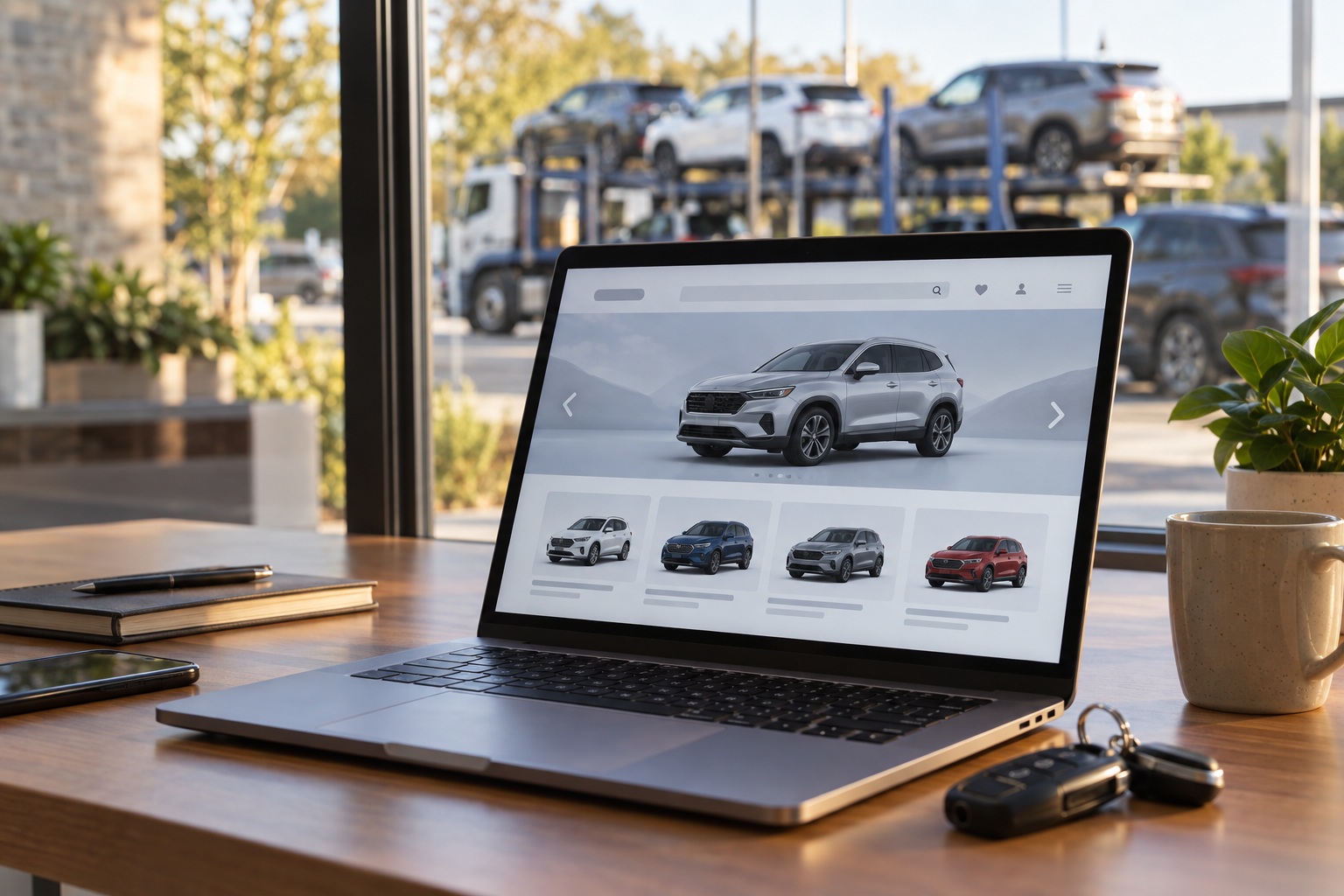
When Carvana started buying new-vehicle dealerships in early 2025, Chrysler Dodge Jeep Ram owners worried about what a used-car giant moving into their world would look like. The early data gives them plenty to talk about. Carvana runs a handful of Stellantis stores, and it uses its existing nationwide shipping network to move vehicles to buyers who live nowhere near the lot.
The numbers are striking. One Carvana-owned store in Arizona sold 998 vehicles in a single month, according to figures reported by industry researchers. Before the acquisition, that same location seldom moved more than 50 cars a month. Across the seven Stellantis stores Carvana operates, new-car registrations climbed about 65% from March to June. The inventory didn’t change. The reach did.
The Google effect with deep pockets
Most of those extra cars aren’t going to local buyers. Analysts who track dealer marketing say Carvana buys Google vehicle ads in far-off markets, so an Arizona store’s listings can appear at the top of a search run by someone shopping seven states away. In one case, a store noticed a handful of Ram pickups sold into its territory by the Arizona location, then dug deeper and found the real total was much higher.
Selling outside your home region isn’t against the law, but automakers generally discourage it. They set designated market areas so their franchisees aren’t fighting each other for the same buyers. A local store could try to match Carvana’s tactics, but few have the same budget. And local dealers usually spend on billboards and other advertising to build demand right where they operate, only to watch a distant seller scoop up some of that interest.
The service gap left behind
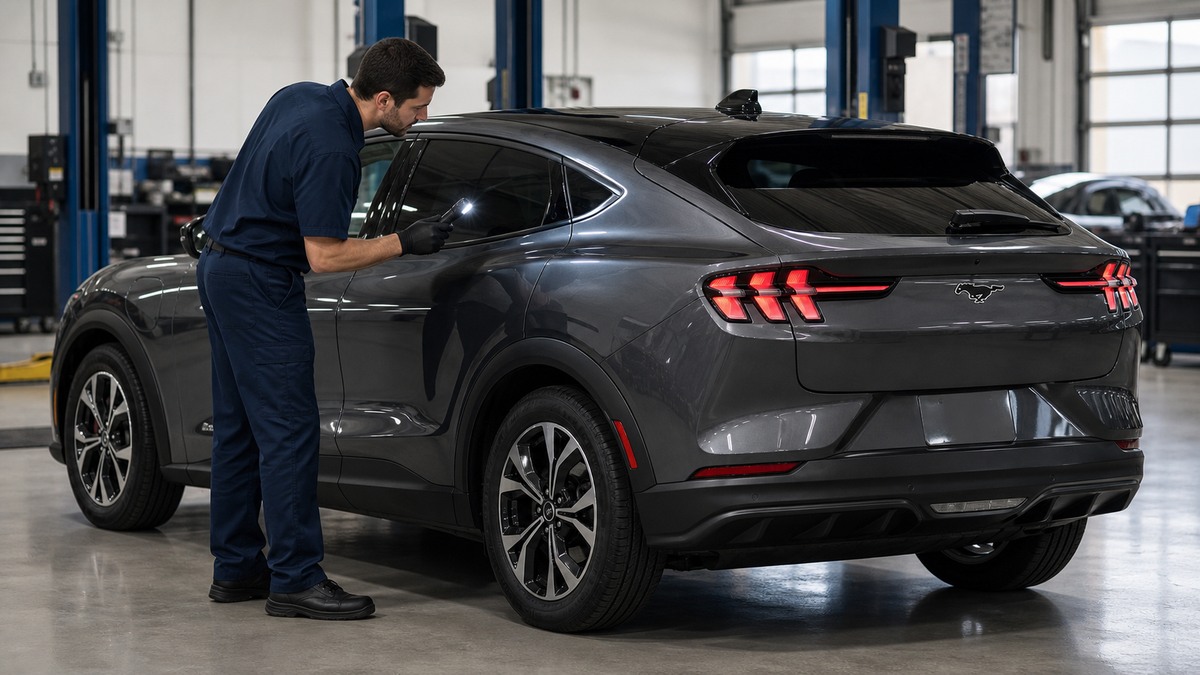
Here is the catch for buyers. A store that ships a truck across the country isn’t going to handle the oil changes, warranty repairs, or recall work down the road. That falls to a traditional store near the customer, which never made the sale and often never even has that buyer in its records. Reputation researchers who study the trend describe it plainly: the distant seller wins the transaction, and the nearby shop inherits the long relationship without the upfront revenue.
That trade-off matters if you like to plan ahead. A sharp online price from a store several states away can look great on paper, but weighing it against the routine maintenance, warranty visits, and recall work handled by nearby car dealerships often changes the math. The convenience is real, and so is the follow-up cost of owning a vehicle nobody local sold you.
What the franchise promise was supposed to be
For decades, the deal behind a dealer franchise was simple. A store sold you a car, earned your trust, took your trade-in next time, and kept your business through years of service visits. The Carvana model keeps the easy, low-pressure sale that many shoppers clearly want, but it drops the parts that built loyalty. There’s no trade-in captured, no relationship logged, and no obvious answer to who looks after the customer for the life of the vehicle.
For traditional stores, that gap is also an opening. The buyers coming off these long-distance sales still need service, and the shop that treats them well may win the repeat purchase Carvana never tried to keep.
What smart shoppers should watch for
If you’re eyeing a Jeep or Ram online, factor in more than the sticker. Ask where warranty and recall work will happen, how far you’d drive for it, and whether a local store will treat a car it didn’t sell like one of its own. The frictionless purchase is genuinely appealing. Just make sure the easy part at the start doesn’t turn into a headache the first time your truck needs attention.